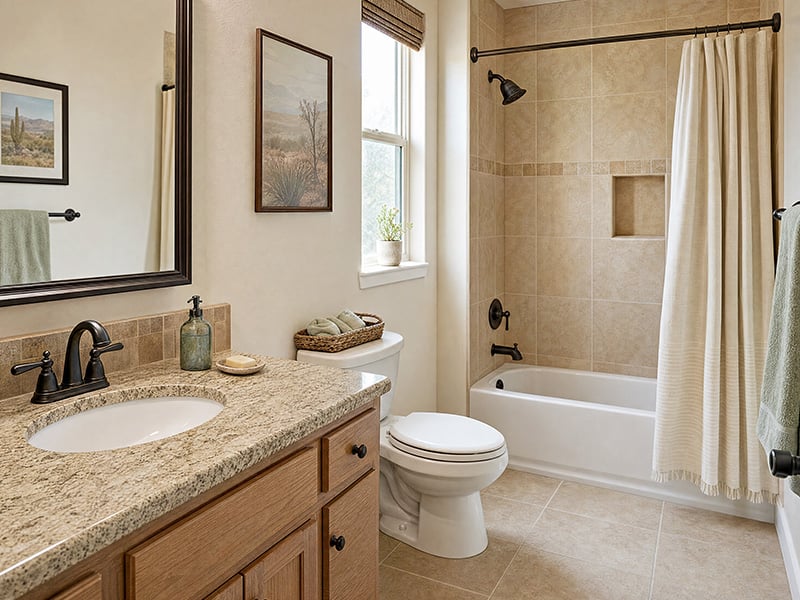
Common Bathroom Pests in Phoenix, Tucson, and Southern Arizona
Bathrooms are one of the last places anyone wants to find pests, but they offer several things bugs need: moisture, shelter, and easy access through small gaps around plumbing. In Arizona’s dry climate, even a slow drip or damp cabinet can be enough to draw pest activity.
Sometimes the only clue is a fast-moving bug that disappears behind a vanity or baseboard before you can get a good look. One sighting does not always mean there is an infestation, but repeated activity can point to a moisture problem, an entry point, or pests hiding nearby.
If you live in Phoenix, Tucson, or elsewhere in Southern Arizona, here is what may be attracting pests to your bathroom, which ones you might find, and what you can do about them.

Why Pests Show Up in Bathrooms
A bathroom can provide nearly everything a pest is looking for:
-
Water: Leaking pipes, dripping faucets, condensation, and damp surfaces provide dependable moisture.
-
Hiding places: Vanities, wall voids, baseboards, and the spaces behind toilets offer dark, protected shelter.
-
Easy access: Gaps around pipes, vents, cabinets, and flooring can give pests a way into the room.
-
Food and prey: Organic buildup, residue, trash, and other insects can provide food for different pests.
These conditions can attract activity year-round, even when the bathroom looks clean.
Common Bathroom Pests in Arizona
Cockroaches
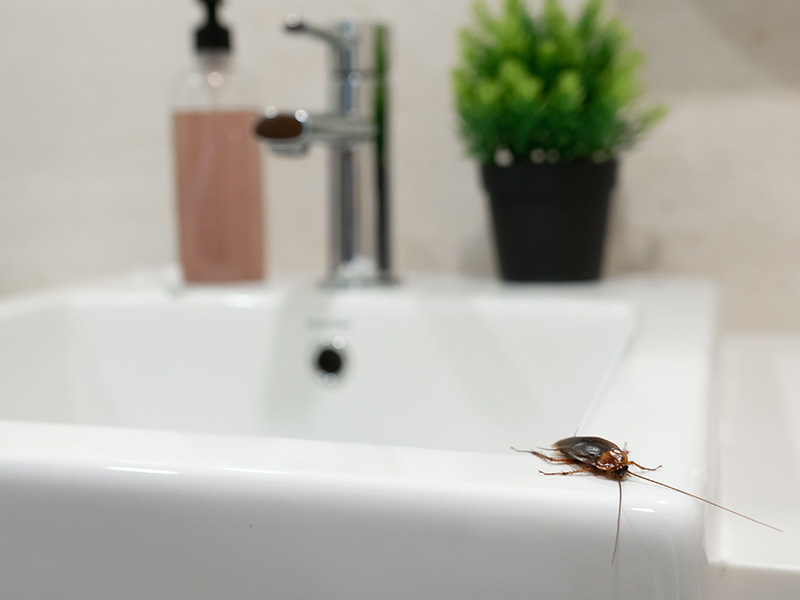
Cockroaches often show up near sinks, tubs, vanities, and plumbing because these areas provide moisture and shelter. They are generally most active at night and may run for cover when the lights come on. Repeated sightings, droppings, or egg cases are signs that it is time to take a closer look. Learn more about why homeowners find cockroaches in the bathroom.
Ants
Several ant species may enter bathrooms in search of water. They often travel along plumbing lines, baseboards, and wall edges. Odorous house ants are one possible visitor, but identifying the species matters because nesting and foraging habits vary.
Silverfish
Silverfish are small, wingless insects with tapered bodies and three tail-like filaments. They move quickly and prefer damp, dark spaces. They may also feed on paper, cardboard, adhesives, and other starchy materials stored in bathrooms.
Drain Flies
Drain flies are tiny, fuzzy insects that look a little like small moths. They are often found resting near sinks, tubs, and showers. Their larvae develop in the moist organic buildup that can collect inside drains, so recurring adult flies may mean a drain needs attention.
A bug found near a drain did not necessarily come through it. Some cockroaches can travel through sewer lines, while others enter through gaps around plumbing.
Springtails
Springtails are tiny, moisture-loving arthropods that may gather around sinks, tubs, or drains and often jump when disturbed. Repeated indoor sightings can point to excess moisture.
Scorpions
Scorpions may wander into bathrooms while looking for water, shelter, or insect prey. They can enter through small gaps around plumbing, baseboards, doors, and other structural openings. Because Arizona bark scorpions can deliver a medically significant sting, avoid handling a scorpion you find indoors.
Other Occasional Visitors
House centipedes have numerous long legs, move quickly, and prey on other insects. Millipedes move more slowly and are usually associated with damp outdoor conditions. Earwigs also live outdoors but may occasionally wander into a damp bathroom during hot or wet weather. Their pincers make them easy to recognize, and they do not typically reproduce indoors.
What About Termites?
Termites are less likely to be seen moving around a bathroom than the pests above, but persistent leaks can create favorable conditions behind walls or beneath flooring. If moisture reaches wood or other cellulose materials, it may support subterranean termite activity. Learn more about bathroom moisture and termites.
Signs of Ongoing Bathroom Pest Activity
One bug does not always tell the whole story. Watch for:
-
Repeated sightings around the same sink, drain, vanity, or baseboard
-
Droppings, egg cases, or shed skins
-
Ant trails along plumbing lines or wall edges
-
Tiny flies repeatedly gathering near a drain
-
A persistent musty or oily odor associated with cockroach activity
-
Damage to paper products, cardboard, or stored items
-
Leaks, condensation, water stains, or gaps around plumbing
These signs may point to ongoing activity, but they will not necessarily tell you which pest is responsible. If possible, take a clear photo or safely collect a specimen for identification.
How to Make Your Bathroom Less Inviting to Pests
A few practical changes can help reduce the conditions that draw pests inside:
-
Fix leaks promptly. Repair dripping faucets, showerheads, toilets, and pipes before moisture builds up.
-
Keep surfaces dry. Use the exhaust fan during and after showers, wipe up standing water, and hang towels and bath mats so they can dry.
-
Clean drains and fixtures. Remove hair, soap residue, and organic buildup from drains using an appropriate cleaning method. Clean beneath toiletries and around fixtures regularly.
-
Seal accessible gaps. Check around pipes, vents, baseboards, cabinets, and flooring for openings pests may use.
-
Reduce clutter. Limit the number of items stored beneath sinks and inside cabinets so pests have fewer undisturbed places to hide.
-
Protect paper products. Store toilet paper, cardboard packaging, and similar materials in closed containers when moisture is a recurring problem.
Professional Pest Control for Bathroom Pests
You should not have to keep wondering what disappeared behind the vanity—or whether it will show up again. Northwest Exterminating’s residential pest control plans begin with an initial service to identify and address current activity, followed by routine pest treatments. If a covered pest appears between scheduled visits, we will return to re-treat at no additional charge.
Looking for help closing off entry points? Desert Guard is a separate exclusion service designed to seal openings that insects and rodents may use to get inside.
Let’s take the guesswork out of what you are seeing. Contact Northwest Exterminating to request a free consultation.
Originally published December 11, 2025. Last updated September 18, 2026, with expanded information about common bathroom pests, prevention, and residential pest control.

Testimonials
Request Your FREE Estimate
Have questions or need help getting rid of pests? Simply complete the form below or give us a call!
Pest Solutions For Homes & Businesses
Northwest Exterminating provides pest control services in the Phoenix metro and Tucson, as well as throughout Southern Arizona, that target pests found in our region's unique desert environment. We promise personalized service and state-of-the-art techniques for all your exterminating needs.
Any Pest, On Time, Guaranteed.








Northwest Exterminating Blog & News

Could El Niño Affect Pest Activity in Phoenix and Tucson This Fall and Winter?
Common Bathroom Pests in Phoenix, Tucson, and Southern Arizona