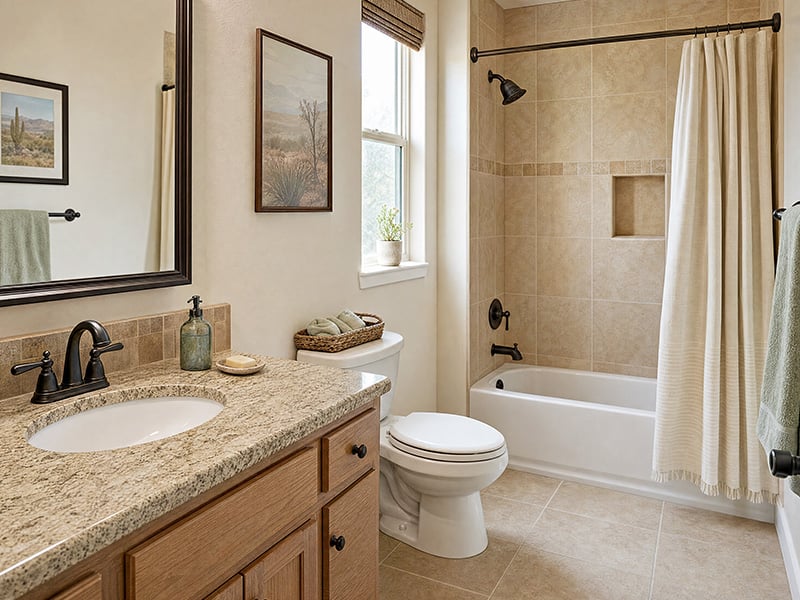
Why Are Termites Attracted To Bathrooms?
Finding termites or suspicious damage in a bathroom can seem strange. Most of the room may be covered with tile, drywall, cabinets, or other finished materials, but behind those surfaces are wood framing, paper-faced drywall, and other cellulose-based materials that termites can feed on.
Bathrooms can also develop hidden moisture problems around tubs, showers, toilets, sinks, and plumbing lines. For subterranean termites, persistent moisture can make parts of a structure more favorable for activity.
That does not mean normal shower steam or bathroom humidity will suddenly attract termites into your home. The bigger concerns are how subterranean termites reach the structure and whether leaks or other moisture problems are creating favorable conditions.
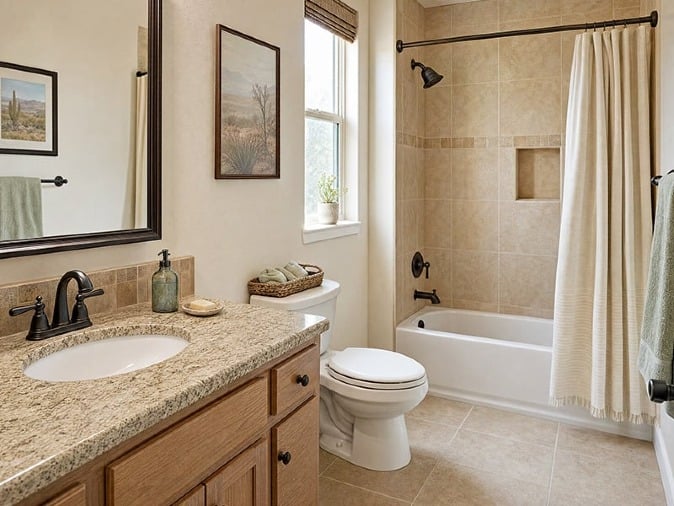
How Do Subterranean Termites Get Into a Home?
Subterranean termites live and forage in the soil. Workers travel through underground tunnels as they search for wood and other cellulose-based materials.
In many Phoenix and Tucson homes built on concrete slabs, termites can forage through soil beneath or alongside the foundation and find access through cracks, joints, gaps, and openings around plumbing or other utilities that pass through the slab.
They can also build mud tubes across foundations and other surfaces when they need a protected route between the soil and the structure.
Bathrooms contain several plumbing penetrations, which is one reason these areas may deserve close attention during a termite inspection. If termites are discovered near a tub, vanity, toilet, or bathroom wall, they may have traveled beneath the slab or from soil along the foundation before reaching that part of the home.
Why Do Termites Show Up in Bathrooms?
Subterranean termites need moisture to survive, but that moisture does not have to come from the bathroom. Their underground environment can provide the moisture they need while they forage toward a structure.
Persistent moisture inside a bathroom can, however, make some areas more conducive to termite activity.
Potential trouble spots include:
-
Leaking plumbing: Slow leaks from supply lines, drains, toilets, tubs, or showers can keep concealed building materials damp.
-
Water getting behind bathroom finishes: Failed caulk, damaged grout, or other defects can allow repeated water intrusion behind a shower, tub, wall, or floor.
-
Hidden leaks beneath tubs and showers: Moisture problems in concealed areas may continue for some time before a homeowner notices staining, damaged flooring, or other visible symptoms.
-
Damp or damaged wood: Persistent moisture can create favorable conditions around wood and other cellulose-based materials.
Persistent moisture can make parts of a bathroom more favorable for termite activity, but subterranean termites can also feed on sound wood without obvious water damage.
What Are the Signs of Termites in a Bathroom?
Termites can feed inside walls, flooring, framing, and other concealed areas without immediately becoming visible. Bathroom finishes can make that activity difficult to spot.
Possible signs include:
-
Mud tubes: These may appear near walls, plumbing penetrations, foundations, or other areas where termites are moving between the soil and the structure.
-
Damaged wood: Wood trim, cabinets, flooring, or framing may show damage beneath the surface or sound hollow when tapped.
-
Termite swarmers or discarded wings: Swarmers that emerge indoors may collect near bathroom windows or other light sources. Finding multiple swarmers inside can indicate an infestation in or beneath the structure.
-
Unexplained deterioration: Soft flooring, damaged trim, or other changes around a bathroom can sometimes be caused by termites, water intrusion, or both.
Because moisture damage and termite damage can look similar, visible damage alone is not enough to confirm an infestation. If you find mud tubes, live termites, swarmers, or unexplained wood damage, a professional termite inspection can determine what is causing the problem.
How Can You Reduce Moisture Problems in Your Bathroom?
The focus should be on persistent leaks and water intrusion rather than normal bathroom use.
-
Repair leaking pipes, drains, faucets, toilets, and other plumbing problems promptly.
-
Correct water intrusion around tubs and showers.
-
Repair damaged caulk, grout, or other finishes when they are allowing water into walls or floors.
-
Investigate unexplained staining, dampness, or deterioration instead of simply covering the damaged area.
-
Use bathroom ventilation to help manage excess humidity and other moisture-related problems.
Correcting these issues can make the area less conducive to termites, but repairing a moisture problem does not eliminate an established termite colony.
Don't Overlook Moisture Around Your Arizona Home
In Phoenix, Tucson, and other parts of Southern Arizona, localized moisture around a home can come from irrigation, exterior plumbing, or poor drainage even when the surrounding landscape is dry.
Homeowners should address:
-
Irrigation that regularly wets soil directly next to the foundation
-
Leaking exterior plumbing or irrigation lines
-
Areas where water drains toward or collects against the home
-
Wood or other cellulose materials in direct contact with both the soil and structure
-
Lumber, cardboard, or construction debris left against the house
Reducing these conditions can help make the area around your home less favorable to subterranean termites, but even a well-maintained Arizona property can experience termite activity.
Termite Control in Phoenix, Tucson, and Southern Arizona
Northwest Exterminating uses the Sentricon® System with Always Active™ technology for subterranean termite control throughout Phoenix, Tucson, and Southern Arizona.
Sentricon stations are installed in the soil around the structure, where foraging subterranean termites can find the bait. Termites feed on it and share it with other members of the colony. The active ingredient, noviflumuron, prevents termites from successfully molting, causing the colony to decline and ultimately be eliminated.
The stations remain in place to provide ongoing protection against future termite activity. Northwest Exterminating's licensed termite professionals install, inspect, and maintain the system as part of your termite protection service.
Schedule a Termite Inspection
If you're concerned about termites in your home, contact Northwest Exterminating to schedule an inspection and get started with Sentricon® termite protection.
Originally published January 15, 2024. Updated for accuracy and current termite treatment information.

Testimonials
Request Your FREE Estimate
Have questions or need help getting rid of pests? Simply complete the form below or give us a call!
Pest Solutions For Homes & Businesses
Northwest Exterminating provides pest control services in the Phoenix metro and Tucson, as well as throughout Southern Arizona, that target pests found in our region's unique desert environment. We promise personalized service and state-of-the-art techniques for all your exterminating needs.
Any Pest, On Time, Guaranteed.








Northwest Exterminating Blog & News
Could El Niño Affect Pest Activity in Phoenix and Tucson This Fall and Winter?
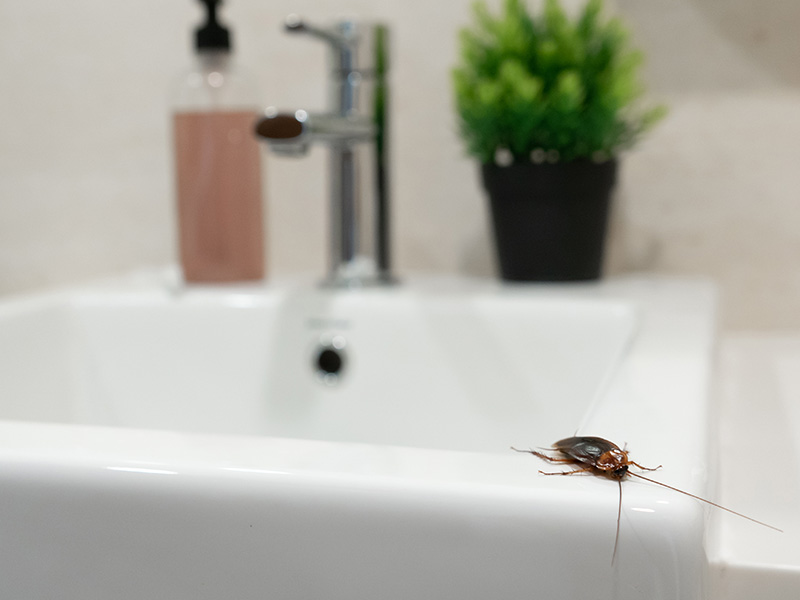
Common Bathroom Pests in Phoenix, Tucson, and Southern Arizona