Earwigs in Phoenix & Tucson Homes: Causes and Fixes
If you’ve spotted earwigs crawling across your bathroom floor in Phoenix… or hanging out near your kitchen sink in Tucson… you’re probably wondering, Why are these things in my house?
You’re not alone. Every year across the Valley, Tucson, and other parts of Southern Arizona, homeowners start seeing earwigs pop up—especially after monsoon rains, heavy irrigation, or even during long dry stretches when pests go looking for water.
Here’s the good news: earwigs aren’t trying to move in permanently. Most of the time, they’re outdoor insects that wandered inside because your home offered something they needed—usually moisture, shelter, or an easy entry point.
Below, we’ll break down why earwigs end up indoors in Southern Arizona, what simple changes can make your home less inviting, and when it makes sense to call in the local pest pros at Northwest Exterminating—especially if you’re also dealing with ants, roaches, spiders, scorpions, or other common desert invaders.

Common Reasons Earwigs Enter Homes in Southern AZ
- Monsoon moisture around the foundation
- Overwatering or irrigation near the home
- Leaky faucets, drains, or AC condensation
- Gaps under doors or around windows
- Mulch, leaf litter, or debris touching the structure
- Cool, damp areas like bathrooms, laundry rooms, and kitchens
Why Are Earwigs in My Tucson or Phoenix Home?
Earwigs aren’t usually “indoor pests” the way German cockroaches are. More often, they’re occasional invaders—they live outdoors and slip inside when conditions outside (or around your home) push them closer to the structure.
In Tucson and Phoenix, earwig activity indoors typically comes down to three drivers: moisture, shelter, and access.
Moisture: The Biggest Earwig Attractor
Earwigs prefer damp, protected environments. In Southern Arizona, moisture can come from monsoon storms, irrigation, or small “everyday” water sources around the home.
Common moisture sources that increase earwig activity:
- Irrigation overspray or watering that keeps the soil damp near the foundation
- Leaky hose bibs, drip lines, or emitters
- AC condensation that drips near exterior walls
- Slow indoor plumbing leaks (especially under sinks)
- Bathrooms with poor ventilation (humidity stays trapped)
If earwigs are showing up repeatedly in bathrooms, laundry rooms, or kitchens, it’s worth checking for a slow leak or persistent humidity.
Shelter and Hiding Places Close to the Home
Earwigs hide during the day and become more active at night. When your yard provides lots of cool, protected hiding spots next to the house, earwigs can build up outdoors—and then you’ll see the “spillover” inside.
Outdoor shelter earwigs love includes:
- Mulch touching the structure
- Leaf litter and organic debris
- Stacked cardboard, lumber, pavers, or firewood kept close to exterior walls
- Dense ground cover or planter beds tight to the home
Indoors, clutter can contribute too, especially stored cardboard in garages. If you want a simple prevention improvement that helps with more than just earwigs, this is a good starting point: Clutter in Your Home? Here’s Why Pests Love It.
Easy Entry Points
Earwigs can slip through small gaps. If your home has a few easy access points, you’ll often notice more “wandering pests” inside—not just earwigs.
Common entry points around Tucson and Phoenix homes:
- Gaps under exterior doors (worn or missing door sweeps)
- Garage door gaps and side-door thresholds
- Cracks or gaps where plumbing and electrical lines enter
- Damaged window screens or unsealed frames
This is one reason exclusion work can have a big payoff: reducing access points helps limit earwigs and can also reduce unwanted visitors like ants, roaches, spiders, crickets, and even rodents.
Why Earwigs Sometimes Show Up “All of a Sudden”
In Southern Arizona, earwig activity tends to increase during seasonal weather shifts, especially during monsoon months and extended dry periods that push pests toward moisture sources near the home.
Homeowners often notice earwigs indoors when:
- Monsoon moisture increases outdoor activity near foundations
- Heat and dry periods push pests to look for water
- Watering schedules change (new plants, reseeding, seasonal adjustments)
- Outdoor debris builds up in shaded areas
In short, if earwigs are active outside and entry points exist, you’re more likely to see them inside.
If you're seeing earwigs more than once a week, it usually means outdoor populations are building up near the home.
That’s when reducing conducive conditions around the structure — or having a professional inspection done — can make a noticeable difference.
Where Earwigs Show Up Indoors
The room you’re finding earwigs in can help you pinpoint the cause.
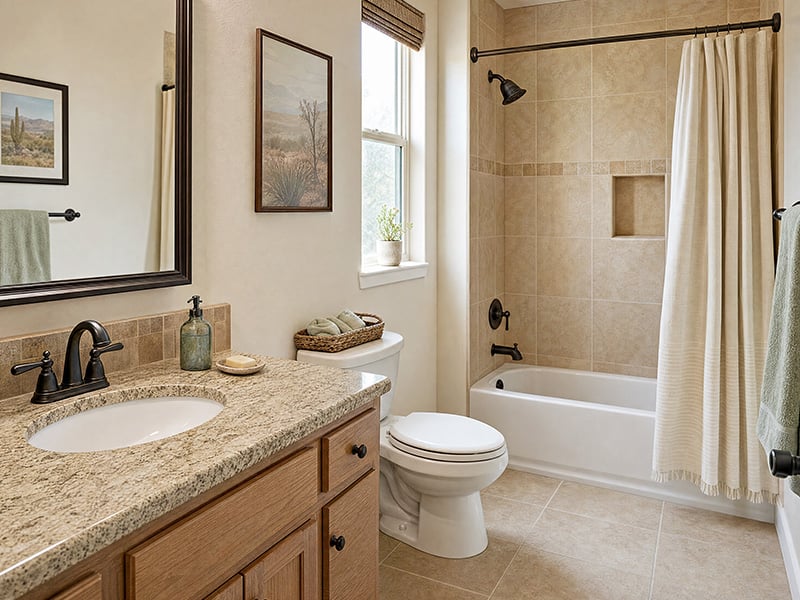
Earwigs in the Bathroom
Usually points to humidity, ventilation issues, or a small leak.
Simple steps that help:
- Run the bathroom fan during and after showers
- Check under-sink plumbing for slow leaks
- Keep mats and towels dry (don’t leave damp items on the floor)
Earwigs in the Kitchen
Often tied to moisture under the sink, plus hidden crumbs in corners.
Helpful steps:
- Check under-sink plumbing and behind the dishwasher
- Keep pantry items sealed
- Clean along baseboards and under appliances periodically
Earwigs in the Garage
Garages are common “transition zones” because of door gaps, stored items, and occasional moisture.
Helpful steps:
- Replace worn door seals and thresholds
- Store cardboard and seasonal items on shelves (not directly on the floor)
- Reduce clutter along the perimeter walls
How to Prevent Earwig Infestations
For most homeowners, the most effective DIY approach is to address moisture around the home, seal the openings they use to get inside, and eliminate potential hiding spots indoors and out.
Dry Out the Perimeter
- Aim irrigation away from exterior walls
- Fix leaky hose bibs and drip systems
- Make sure drainage moves water away from the foundation
- Avoid keeping mulch piled against the structure
Reduce Outdoor Hiding Spots
- Pull leaf litter and organic debris away from exterior walls
- Store firewood, pavers, and lumber away from the home
- Trim dense ground cover near doors and patio thresholds
Seal Potential Entry Points
- Install or replace door sweeps
- Repair window screens
- Seal gaps around utility penetrations
- Address garage door gaps
Fix Indoor Moisture Issues and Eliminate Clutter
- Fix under-sink leaks promptly
- Use ventilation consistently in bathrooms
- Reduce cardboard storage in damp areas
If you want help building a year-round prevention routine that also targets other common desert pests, Northwest’s residential pest control plans are great options.
When It’s Time to Call for Professional Pest Control
DIY steps can reduce earwig sightings, but it’s smart to get help when:
- You’re seeing earwigs repeatedly in multiple rooms
- Outdoor activity seems heavy near doors, patios, or the garage
- You’ve fixed obvious moisture issues, but they keep returning
- You want a longer-term plan that also helps prevent other house-infesting pests
Locally operated since 1990, Northwest Exterminating offers comprehensive pest control services in Queen Creek, San Tan Valley, and throughout the Phoenix Metro, as well as Tucson and surrounding communities. Our fully trained pest control pros know where to look for earwig problems and, more importantly, how to stop these nuisance pests.
Whether you know it won’t be long before earwigs show up, and you want to get ahead of the problem, or you’ve already found them in your home, we can help. Request a free consultation today.
How Desert Guard Helps Stop Earwigs and Other Unwanted Invaders
When earwigs keep showing up indoors, the root cause is often a combination of accessible entry points and favorable conditions around the structure.
That’s exactly what Desert Guard is designed to address.
Desert Guard is Northwest’s insect and rodent exclusion program. It focuses on:
- A thorough inspection to identify entry points, pest harborage areas, and conducive conditions
- Sealing key gaps and installing physical barriers to limit pest activity and entry
- Long-term prevention that helps with more than just one pest problem
If you’re ready to seal pests out of your home, contact Northwest Exterminating for a free estimate!
Ready for Help With Your Earwig Problem?
Even though earwigs aren’t dangerous and typically don’t bite, they’re not a welcome sight. If you’re seeing earwigs indoors in Phoenix or Tucson, you don’t have to guess at the cause.
Northwest Exterminating can help you:
- Identify what’s attracting earwigs to your home (moisture + shelter patterns)
- Put a practical plan in place to reduce activity and prevent repeat issues
- Choose a residential plan that also helps control ants, roaches, spiders, and other common desert pests
- Add exclusion support through Desert Guard when entry points are part of the problem
To get started, contact our team here: Request a free consultation.

Testimonials
Request Your FREE Estimate
Have questions or need help getting rid of pests? Simply complete the form below or give us a call!
Pest Solutions For Homes & Businesses
Northwest Exterminating provides pest control services in the Phoenix metro and Tucson, as well as throughout Southern Arizona, that target pests found in our region's unique desert environment. We promise personalized service and state-of-the-art techniques for all your exterminating needs.
Any Pest, On Time, Guaranteed.








Northwest Exterminating Blog & News

Could El Niño Affect Pest Activity in Phoenix and Tucson This Fall and Winter?
Common Bathroom Pests in Phoenix, Tucson, and Southern Arizona