Does Heat Bring More Cockroaches in Phoenix & Tucson?
When nighttime temps in Phoenix and Tucson stay above 80°F, the calls start coming in. Homeowners flip on the kitchen light and spot a roach running across the counter. They open the garage door at dawn and see one scurrying along the wall. It happens every summer across Southern Arizona, and it's not a coincidence.
Northwest Exterminating has been handling these calls for over 35 years across the Valley and Tucson metro. The short answer? Yes — extreme heat absolutely pushes cockroaches indoors. But it's not just about temperature. The reason some Arizona homes see roaches every summer while the house next door stays clear usually comes down to a few specific things about the home itself.
How Arizona's Summer Heat Changes Cockroach Behavior
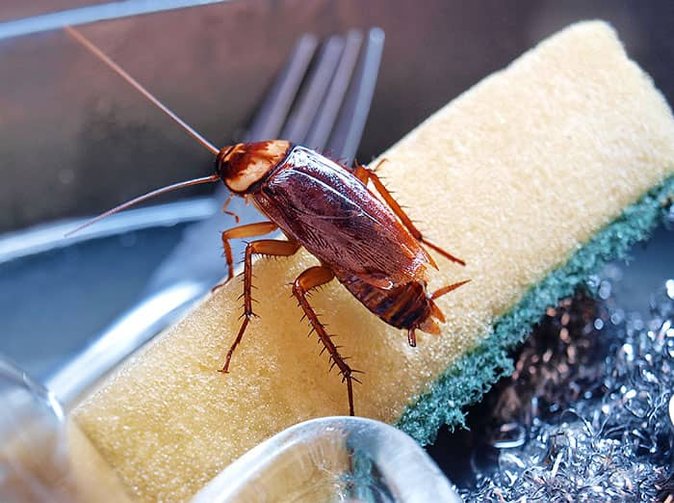
American cockroaches — the large, dark reddish-brown ones that most Phoenix and Tucson homeowners call "sewer roaches" — are some of the most common heat-driven invaders. They spend most of the year outdoors in storm drains, irrigation boxes, and landscaping debris. When daytime temperatures push past 110°F, and the ground surface heats up even more, they move toward the nearest cool, moist structure. That's usually your home.
German cockroaches behave differently. They're already indoor pests year-round, but summer heat speeds up their reproduction. According to the University of Arizona Cooperative Extension, a single German cockroach egg case produces 30–40 eggs. In a warm kitchen or bathroom, those nymphs can reach maturity in about 60 days. If you're finding tiny roaches, that's a sign a colony has been reproducing inside for weeks.
Oriental cockroaches, sometimes called water bugs, also become more active in summer. They tend to come in through floor drains, shower drains, and gaps around plumbing — anywhere they can follow moisture from the sewer system into the house.
Where Heat-Driven Roaches Show Up Inside AZ Homes
Cockroaches that come indoors during summer heat go to specific spots — the ones that give them cooler temperatures, moisture, and dark hiding spaces.
Kitchens and bathrooms are the most common areas — especially under sinks, behind refrigerators, and around dishwashers, where there's warmth from motors and moisture from condensation. Roaches in the bathroom are especially common in older Tucson homes where plumbing penetrations through the slab aren't fully sealed.
Garages are another frequent problem area, especially attached garages without insulation. In summer, an Arizona garage can reach 130°F or more by late afternoon. Roaches that were sheltering in the garage during cooler months will push through the gap under the interior door to get into the air-conditioned house. If you notice roaches near your laundry room or interior garage door, that's often the path they're taking.
Other common spots include:
-
Around AC condensation lines where they exit the house
-
Inside utility closets (water heater, HVAC)
-
Under appliances with motors — warm and dark
-
Pantries and food storage areas
What Makes Some Arizona Homes a Bigger Target for Roach Activity
Not every home in Phoenix or Tucson gets roaches in summer. Specific features of your property can put you at higher risk — and most of them are fixable.
Block construction and expansion joints
Most homes in the Phoenix metro and Tucson are built with concrete block. Those blocks have hollow voids that cockroaches can travel through once they find an entry point. Add in the expansion joints that naturally crack and shift with Arizona's temperature swings, and roaches can move through your walls without ever crossing open floor space.
Landscaping tight against the foundation
River rock, decomposed granite, and gravel beds are standard in Arizona yards. When those materials sit right against the foundation — especially on the shaded side of the house — they create a cool, dark strip that roaches use as a staging area before moving inside. Same goes for dense plants, ground cover, or raised garden beds touching the structure.
Citrus and fruit trees close to the house
Grapefruit, orange, and lemon trees are everywhere in AZ yards. Dropped fruit that sits on the ground for even a few days draws roaches (and ants, and rodents). If you have a producing tree within 20 feet of the home, keeping fallen fruit picked up reduces the food source that holds roaches nearby.
Irrigation creating moisture near the foundation
Drip irrigation lines, sprinkler overspray, and flood irrigation — still common in parts of Mesa, Gilbert, and older Phoenix neighborhoods — all create moisture pockets near the foundation. Cockroaches need water more than food, so any consistent moisture source close to the house draws them in.
Sewer access points
American cockroaches travel through municipal sewer lines. If your home has older plumbing, unsealed cleanout plugs, or floor drains without water in the trap, roaches can come straight up from the sewer system. This is especially common in homes built before the 1980s across Tucson's midtown and central Phoenix.
Quick Changes That Actually Help Right Now
You don't have to overhaul your property to reduce summer cockroach pressure. These are the adjustments our technicians recommend most often:
-
Check under every sink for leaks, drips, or dampness. Fix what you find.
-
Pour water down floor drains and seldom-used tub or shower drains every couple of weeks. A dry P-trap is an open door for sewer roaches.
-
Move mulch and potted plants at least six inches from the foundation.
-
Pick up fallen fruit daily. If a citrus branch overhangs the structure, trim it back.
-
Seal the gap under the garage-to-house door. A simple door sweep or threshold seal goes a long way.
-
Check the AC condensation line—if it drips onto the house, extend or redirect it away from the foundation.
-
Keep outdoor trash bins closed and at least a few feet from the exterior walls.
Why Store-Bought Sprays Usually Backfire with Cockroaches
Most homeowners' first reaction is to grab a can of spray from the hardware store. The problem is that spray repellents can scatter a roach population deeper into walls, voids, and areas you can't reach. You kill the one you see, but the rest move further out of sight.
German cockroaches are especially hard to handle with off-the-shelf products. They've developed resistance to several common active ingredients, and their colonies are tucked inside wall voids, behind outlets, and under appliances. Spraying the baseboard doesn't reach them.
For American cockroaches moving in from the outside, a perimeter barrier applied by a licensed technician targets the actual entry zones rather than just the interior living space.
When to Call Northwest Exterminating
A single cockroach once in a while doesn't always mean you have a full infestation, but certain signs mean it's time to bring in help:
-
Seeing roaches during the day — they're nocturnal, so daytime activity usually means the population is large
-
Finding small roaches (nymphs) in the kitchen or bathroom
-
Noticing a musty or oily smell you can't place
-
Seeing roaches in multiple rooms
-
Finding dark smear marks or droppings along baseboards, under sinks, or behind appliances
-
DIY products haven't changed what you're seeing after a couple of weeks
Already tried the spray-and-hope approach without luck? Reach out to Northwest Exterminating — we'll find where they're actually coming in and treat it at the source.
How Northwest Eliminates and Prevents Cockroach Problems
Northwest Exterminating starts with an inspection to identify which species you're dealing with and where they're getting in. That determines the treatment approach — American cockroaches coming in from the yard need a different strategy than German cockroaches nesting inside the kitchen.
From there, treatment includes targeted applications at entry points, harborage areas, and around the home's perimeter. For ongoing protection, our residential pest control plans include quarterly services that keep insects and rodents away — including the summer cockroach surge.
Homes with persistent entry issues may benefit from Desert Guard exclusion services, which seal gaps, cracks, and openings around the structure to physically block pests from getting in.
Frequently Asked Questions
Do cockroaches come through AC vents?
Not usually through the ductwork itself. They do follow AC condensation lines, though. If the line drips near an exterior wall opening or isn't properly sealed where it exits the house, roaches can use that gap to get inside.
Are cockroaches worse on the first floor or the second floor?
First-floor rooms see far more cockroach activity because most entry happens at ground level — through foundation cracks, door gaps, and plumbing penetrations. Second-floor apartments or condos can still get German cockroaches through shared walls and plumbing chases.
Can cockroaches survive in a home with no food left out?
Yes. Cockroaches can survive weeks without food and will eat things you wouldn't expect — glue, paper, soap residue, toothpaste. Keeping the house clean helps reduce what draws them, but it's not enough on its own if they already have access to water and shelter.
Keep Cockroaches Out of Your Arizona Home This Summer
If you're seeing cockroaches in your Phoenix or Tucson home, Northwest Exterminating can help. Contact us for a free estimate — we'll inspect your home, identify the problem, and put a plan in place before the population grows.
This blog was originally published on July 21, 2023; it has been updated to include relevant information about cockroaches and services.

Testimonials
Request Your FREE Estimate
Have questions or need help getting rid of pests? Simply complete the form below or give us a call!
Pest Solutions For Homes & Businesses
Northwest Exterminating provides pest control services in the Phoenix metro and Tucson, as well as throughout Southern Arizona, that target pests found in our region's unique desert environment. We promise personalized service and state-of-the-art techniques for all your exterminating needs.
Any Pest, On Time, Guaranteed.


Northwest Exterminating Blog & News
Common Bathroom Pests in Phoenix, Tucson, and Southern Arizona
Why Are Termites Attracted To Bathrooms?