
Brown Dog Ticks in Arizona: Where They Hide and How to Protect Your Home
Most Arizona homeowners do not think of ticks as an indoor pest. They seem more like something a dog might pick up while hiking or spending time outside—not something hiding near baseboards or pet bedding.
Brown dog ticks are different.
They can live and reproduce inside homes, which means a few ticks carried in on a dog can become a much larger problem if they go unnoticed. Northwest Exterminating helps homeowners throughout the Phoenix metro, Tucson, and Southern Arizona identify where brown dog ticks are hiding and determine the right treatment.
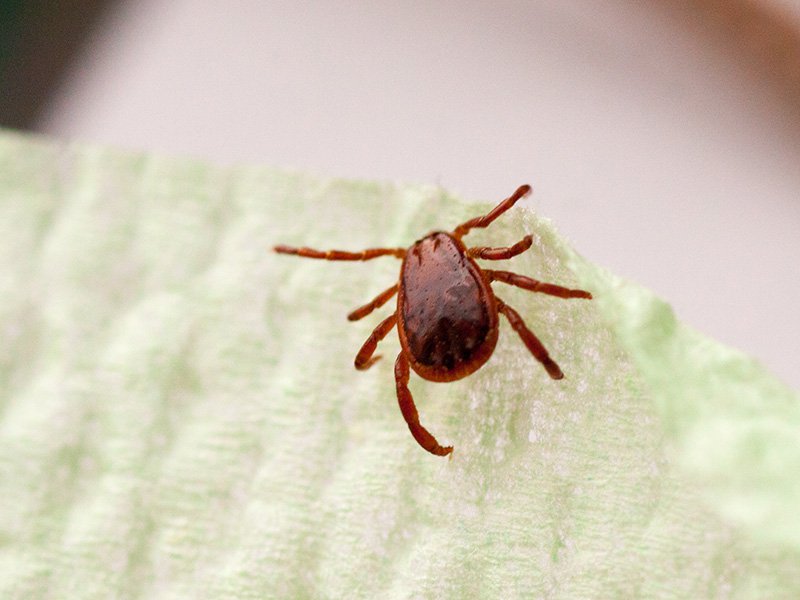
Where Brown Dog Ticks Hide in and Around Homes
The University of Arizona Cooperative Extension explains that brown dog ticks spend most of their lives away from the dog in protected areas where they develop, mate, and lay eggs.
They often stay close to the places where a dog sleeps or rests, but an established population can spread into other parts of the home.
On Your Dog
Ticks commonly attach where the fur is thinner or the skin is easier to reach, including:
- Around the ears
- Between the toes
- Along the belly
- Around the neck
- Near the base of the tail
After feeding, they drop off and look for a nearby protected place.
Inside the Home
Common indoor hiding places include:
- Along baseboards and carpet edges
- Under area rugs
- In furniture seams and beneath cushions
- Around dog beds, kennels, and crates
- Between floorboards or in cracks around tile
- Behind outlet and switch plate covers
- Along window and door frames
Because brown dog ticks are small and tend to stay hidden, they may be breeding inside for weeks before homeowners begin finding reddish-brown ticks in multiple rooms.
Around the Yard and Patio
Brown dog ticks can also become established outdoors, especially in shaded areas where dogs regularly rest. Around homes, our technicians typically inspect:
- Block walls and mortar joints
- Covered patios
- Outdoor kennels and dog runs
- Areas beneath patio furniture
- Shaded gravel or decomposed granite
- Spaces around stored planters, pavers, and yard equipment
- Protected areas along exterior walls
Block-wall yards can provide sheltered cracks where ticks are protected from direct sunlight and extreme surface temperatures. A dog bed or kennel placed against a covered block wall gives them both a nearby host and places to hide.
Not every indoor infestation extends into the yard, but outdoor pet areas should be inspected when ticks keep returning.
When Brown Dog Ticks Require Professional Treatment
Finding a single tick on a dog does not always indicate an infestation in the home. But repeated sightings are different.
It may be time to call a pest control professional if:
- Ticks keep appearing after your dog has started veterinarian-recommended prevention
- You find ticks along baseboards, furniture, or pet bedding
- Ticks are showing up in more than one room
- You are seeing both very small ticks and larger adults
- More than one dog in the home has ticks
- Activity improves briefly after cleaning but then returns
Brown dog ticks can remain hidden in cracks, furniture seams, carpet edges, and sheltered outdoor areas. Treating the dog is important, but it does not eliminate ticks that are already developing around the property.
Northwest Exterminating inspects the places where dogs rest and where ticks are most likely to hide, then recommends interior, exterior, or combined treatment based on where activity is found.
How Northwest Exterminating Treats Brown Dog Ticks
Northwest Exterminating’s tick and flea treatment addresses activity both inside and outside the home. Technicians focus on the areas where ticks are most likely to hide, including carpet edges, pet bedding, furniture seams, yard areas, kennels, and other places where dogs regularly rest.
The initial treatment targets active adult ticks, larvae, and nymphs. Because tick eggs may survive the first application and hatch later, a 30-day follow-up is included to address newly emerged ticks and help interrupt the life cycle.
For the best results, professional treatment should be combined with veterinarian-recommended tick prevention for every dog in the household. Treating the pets without addressing ticks already hidden around the property—or treating the property without protecting the pets—can allow the problem to continue.
Frequently Asked Questions About Brown Dog Ticks
Can brown dog ticks live indoors without a dog?
They can survive for a time without a dog, especially when already established in cracks, carpet edges, or other sheltered areas. They may seek another host, including people or other animals.
Are brown dog ticks active year-round?
Yes. Arizona’s climate can support outdoor activity for much of the year, and climate-controlled homes allow infestations to continue regardless of the season.
Can brown dog ticks affect cats?
Dogs are their preferred host, but brown dog ticks may attach to cats when an infestation is established. A veterinarian can recommend safe tick prevention, since dog products may be dangerous for cats.
Can brown dog ticks cause skin irritation or excessive blood loss in pets?
Yes. Brown dog tick bites can cause skin irritation, and heavy infestations may lead to blood loss or anemia, especially in puppies and small dogs.
Does Northwest’s tick treatment also cover fleas?
Yes. Northwest Exterminating’s service is designed to address both ticks and fleas inside and outside the home, with treatment focused on pet-resting areas and other places where activity is found.
Request a Quote for Brown Dog Tick Treatment
If you're concerned about ticks in your home or yard, Northwest Exterminating can inspect the areas where they are most likely to be hiding and recommend the right treatment for your home. Call today or request a free estimate online to get started.

Testimonials
Request Your FREE Estimate
Have questions or need help getting rid of pests? Simply complete the form below or give us a call!
Pest Solutions For Homes & Businesses
Northwest Exterminating provides pest control services in the Phoenix metro and Tucson, as well as throughout Southern Arizona, that target pests found in our region's unique desert environment. We promise personalized service and state-of-the-art techniques for all your exterminating needs.
Any Pest, On Time, Guaranteed.








Northwest Exterminating Blog & News

Could El Niño Affect Pest Activity in Phoenix and Tucson This Fall and Winter?
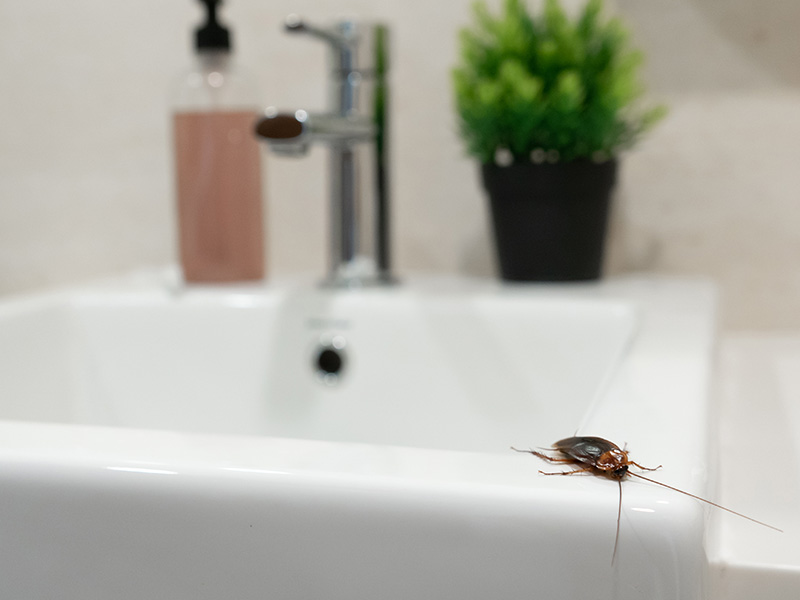
Common Bathroom Pests in Phoenix, Tucson, and Southern Arizona