Do Monsoon Storms Bring Out Bugs?
Arizona’s officially designated monsoon season runs from June 15 through September 30. As storms begin rolling through Phoenix, Tucson, and Southern Arizona, homeowners often notice something besides wind, rain, and debris: more pest activity around the house.
A single storm can flood an ant colony, soften soil that was hard and dry only days earlier, and push a scorpion out from under a block wall and toward a garage threshold. Northwest Exterminating has been treating Arizona homes through monsoon seasons since 1990, and many of the calls that come in after a major storm involve the same pests and entry points.
If you are seeing more activity after the rain, the storms may be part of the reason. Here is how monsoon conditions affect pests, which ones homeowners are most likely to notice, and what those changes can mean for the inside of your home.

What the Rain Changes Around Your Home
Desert soil often sheds water at first and then begins taking it in. Once that happens, several conditions around a property can shift at the same time.
Vegetation greens up and provides insects with additional food and cover. Humidity remains higher beneath gravel, pavers, mulch, and landscaping debris. Water also collects in places that are easy to overlook, including irrigation valve boxes, plant saucers, tarp folds, clogged drains, and low areas along a block wall where runoff has nowhere to go.
A storm can therefore do more than make existing pests visible. It may displace some pests immediately while creating moisture, vegetation, and breeding conditions that support greater activity in the days and weeks that follow.
Those changes can also push pests toward the drier and more stable conditions around your home.
Why Monsoon Moisture Can Increase Termite Pressure
Western subterranean termites live in the soil across Southern Arizona year-round, and monsoon moisture can make conditions around a foundation more favorable for them.
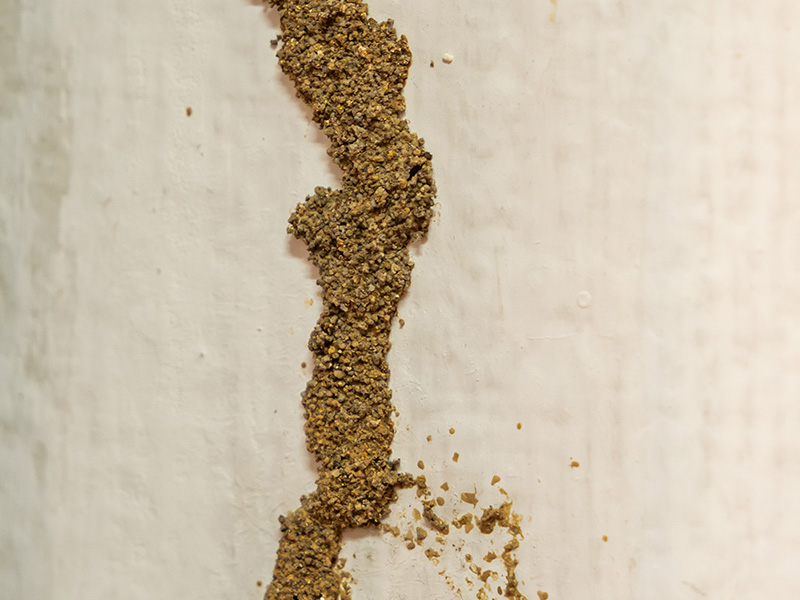
Because subterranean termites lose moisture when exposed to open air, they travel between the soil and a structure through protected mud tubes.
After repeated storms, our technicians may find fresh mud tubing near expansion joints, slab edges, plumbing penetrations, and other areas where termites can reach the structure. Downspouts that empty directly beside the house, leaking hose bibs, and low spots that hold water against the foundation can also create conditions worth correcting.
Termite activity does not begin overnight simply because it rains, and the signs are not always visible from the street. After a storm, look along the foundation for thin, dirt-colored lines traveling up the slab edge or exterior wall. Also watch for areas where water continues to pool against the house.
Finding mud tubing or persistent foundation moisture is a reason to schedule a professional termite control inspection rather than waiting to see whether the issue disappears.
Why Scorpions Turn Up Indoors After a Storm
Scorpions do not arrive with the monsoon. They were already living in block-wall voids, beneath pavers, around landscaping materials, inside woodpiles, or under decomposed granite.
Heavy rain can flood those sheltered areas and send scorpions searching for somewhere drier. In many yards, the nearest dry structure is the house or garage.
The Arizona bark scorpion is especially likely to end up indoors because it is an excellent climber. Bark scorpions can travel up stucco, along block walls, and through small openings around garages, attics, rooflines, and utility penetrations.
Homeowners often find one on a garage wall, near a doorway, or around the water heater after a storm. Monsoon conditions can also increase the number of crickets, roaches, and other small insects scorpions hunt.
Closing entry points is an important part of reducing indoor scorpion activity. Weather stripping exposed to several years of Arizona sun may no longer create a tight seal.
Northwest Exterminating’s Desert Guard exclusion service begins with an inspection of the roofline, eaves, vents, exterior walls, and perimeter. Our team then identifies and seals the openings pests and rodents can use to enter.
Homeowners can also learn more about how pest exclusion protects Arizona homes.
Why Large Roaches Show Up After Heavy Rain
The roach complaints that follow a monsoon storm often involve larger outdoor species rather than small German cockroaches established inside a kitchen.
American and Oriental cockroaches favor damp, protected areas. Heavy rain can flood outdoor harborages, drains, sewer lines, landscape features, and other moisture-rich spaces where these roaches live.
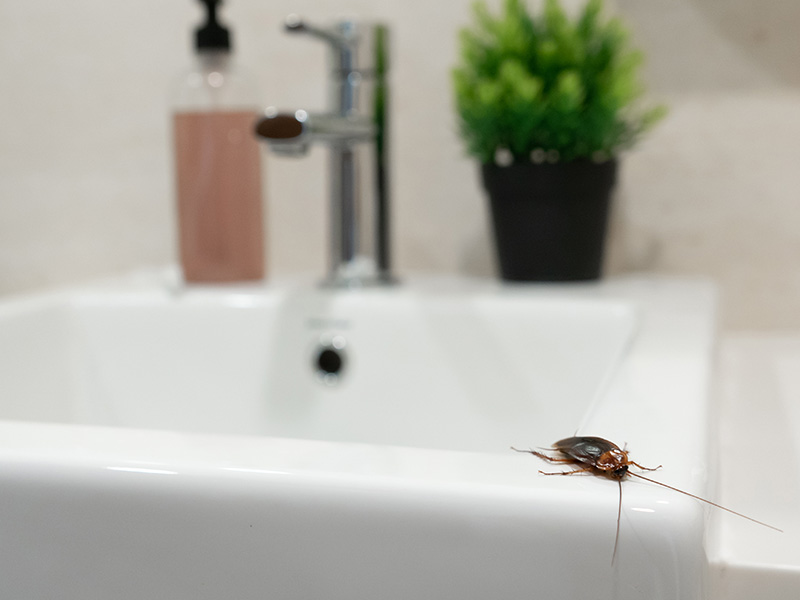
Once displaced, they may enter through floor drains, plumbing gaps, garage doors, utility openings, or other gaps around the structure. Homeowners often find them in bathrooms, laundry rooms, garages, and other areas with access to moisture.
A single large roach appearing in a bathroom after a storm does not necessarily mean the home is dirty. In that situation, plumbing, moisture, and exterior entry points are often more relevant than sanitation.
Our guide to the cockroaches Arizona homeowners run into can help you compare common species and understand why different types of roaches require different treatment strategies.
Flooded Ant Colonies and Other After-Rain Pests
Rain does not affect every ant species in the same way. Heavy water can temporarily reduce activity around some nests, but it can also flood colonies and force ants to relocate.
When nesting areas fill with water, established foraging routes may change. The dry, warm area beneath a slab or inside a wall can become an appealing destination.
Homeowners may notice a new line of ants along a baseboard, beneath a dishwasher, or near a plumbing fixture within a day or two of a storm. That activity can appear in an area that had not previously shown signs of ants.
Our ant control guide explains more about the species found around Phoenix, Tucson, and Southern Arizona.
Ants are not the only pests displaced by monsoon conditions. Earwigs may move into damp entryways and planters. Crickets gather near garage lights and slip through door gaps. Spiders follow the increased insect activity, while centipedes may appear in bathrooms, garages, and other humid areas.
Ants, earwigs, crickets, spiders, and centipedes are among the pests addressed through Northwest’s residential pest control services.
Mosquitoes are the exception worth stating plainly. Standing water left after a storm can support developing larvae and lead to more adult mosquitoes later.
Mosquito control service through Northwest Exterminating is a separate seasonal program and is not automatically included in general home pest control plans. If mosquitoes are the primary concern, ask about mosquito service specifically when requesting a consultation.
The Walk-Around Worth Doing Between Storms
A short walk around your property after it rains can reveal many of the conditions pests are using. These checks do not replace professional treatment, but they can help remove the moisture and access points created by the storm.
- Empty anything holding water. Check plant saucers, buckets, wheelbarrows, toys, tarps, and unused containers. Even a small amount of water can support mosquito development.
- Watch where gutters and downspouts release water. Water should move away from the foundation rather than collect beside the house.
- Inspect irrigation valve boxes. These boxes provide water, shade, and shelter and are common places to find scorpions, roaches, and other pests.
- Move vegetation and debris away from exterior walls. Wet leaves, dense plants, and mulch pressed against stucco can hold humidity long after the exposed ground has dried.
- Check exterior door and garage seals. Stand inside at night with the exterior light on and look for visible light beneath or around the door. A visible gap can also provide an entrance for scorpions and insects.
- Look for new mud tubes. Inspect the slab edge, expansion joints, and areas around plumbing penetrations for dirt-colored lines that could indicate subterranean termites.
Addressing these conditions helps reduce the shelter, moisture, and access pests find after a storm.
Why Monsoon Pest Problems Often Need More Than One Approach
Monsoon pest problems often involve a combination of displacement, excess moisture, and structural openings. That is why effective control may require targeted treatment, moisture correction, monitoring, and exclusion rather than one application around the base of the house.
Northwest offers home pest control plans with four seasonal services, general pest control, and free re-treatment service for covered pests. Depending on the plan selected, protection may also include SMART rodent monitoring and termite monitoring.
Ongoing pest control addresses active pests, while exclusion helps close the openings they use to enter.
Monsoon Pest Questions Arizona Homeowners Ask
Rain does not automatically make a professional pest control treatment ineffective. The impact depends on the product, where it was applied, how long it had to dry, and how much rain fell.
Heavy rain can still create new moisture problems, displace pests, and expose different entry points around the property.
Timing varies by pest. Displaced ants, scorpions, roaches, and crickets may appear within a day or two. Mosquito numbers can increase over the following days and weeks as larvae develop in standing water.
Termite evidence may take longer to appear after favorable moisture conditions develop.
Yes. Arizona bark scorpions can climb to flat and low-slope rooflines and enter through vents, parapet gaps, or openings around pipes and evaporative coolers. From the attic, they may move through wall voids and into the home.
You do not need to wait for dry weather. Active pest pressure can help a technician identify affected areas, entry points, and moisture problems before recommending treatment or exclusion.
Get Ahead of Monsoon Pest Activity
Finding scorpions, ants, roaches, or other pests after a storm? Northwest Exterminating serves the Phoenix metro, Tucson, and communities across Southern Arizona with home pest control and exclusion services designed for desert homes.
Reach out to us to request a free consultation.
Originally published in 2024 and updated in July 2026.

Testimonials
Request Your FREE Estimate
Have questions or need help getting rid of pests? Simply complete the form below or give us a call!
Pest Solutions For Homes & Businesses
Northwest Exterminating provides pest control services in the Phoenix metro and Tucson, as well as throughout Southern Arizona, that target pests found in our region's unique desert environment. We promise personalized service and state-of-the-art techniques for all your exterminating needs.
Any Pest, On Time, Guaranteed.


Northwest Exterminating Blog & News
Common Bathroom Pests in Phoenix, Tucson, and Southern Arizona
Why Are Termites Attracted To Bathrooms?