pest control tucson, tucson pest control, bee removal tucson, bee control tucson, termite services tucson, weed control tucson, termite removal tucson, bed bug services tucson, bed bug removal tucson
Specialty Pests | Ask Our Professional: Northwest Exterminating Blog
Skip to content

Posts from the ‘Specialty Pests ’ Category

Heat Wave created Pest Invasion

2012April24

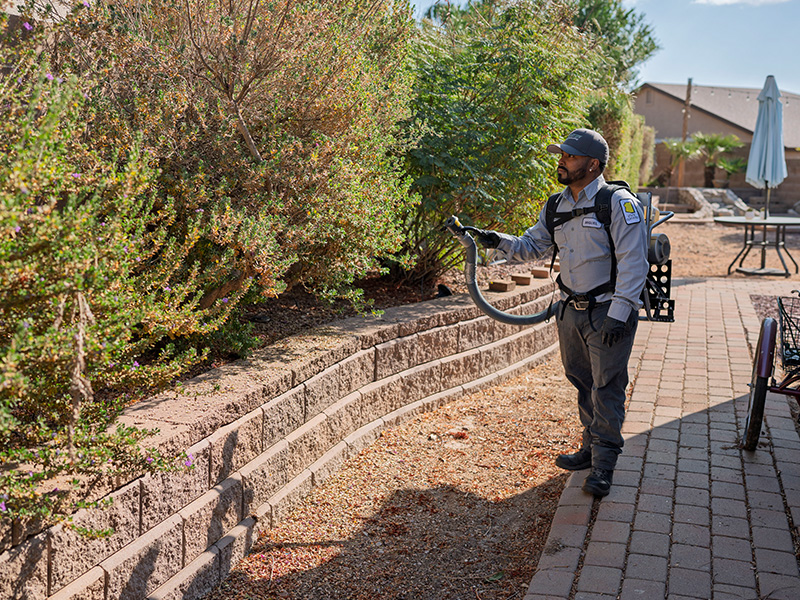
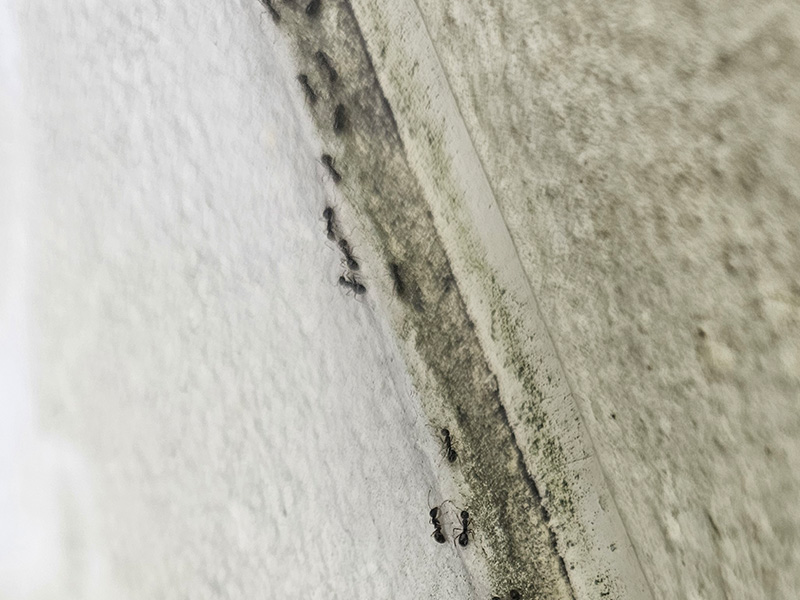
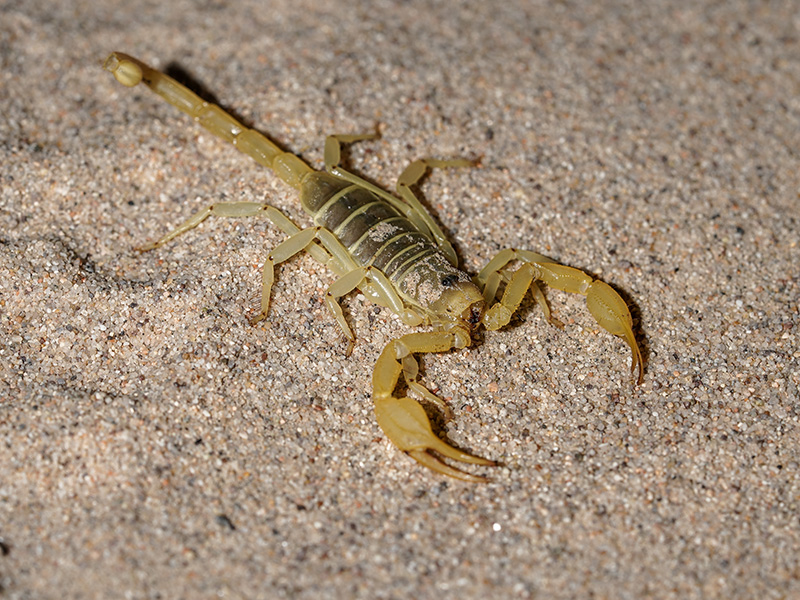
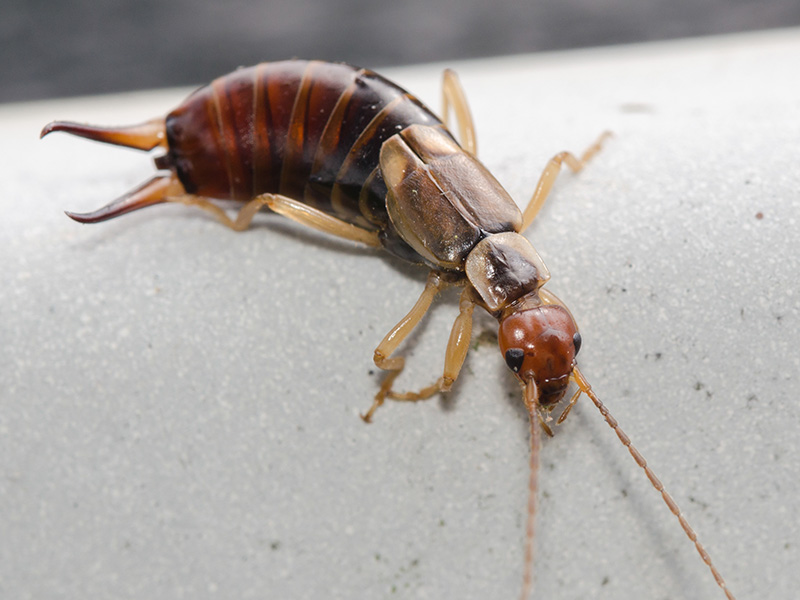
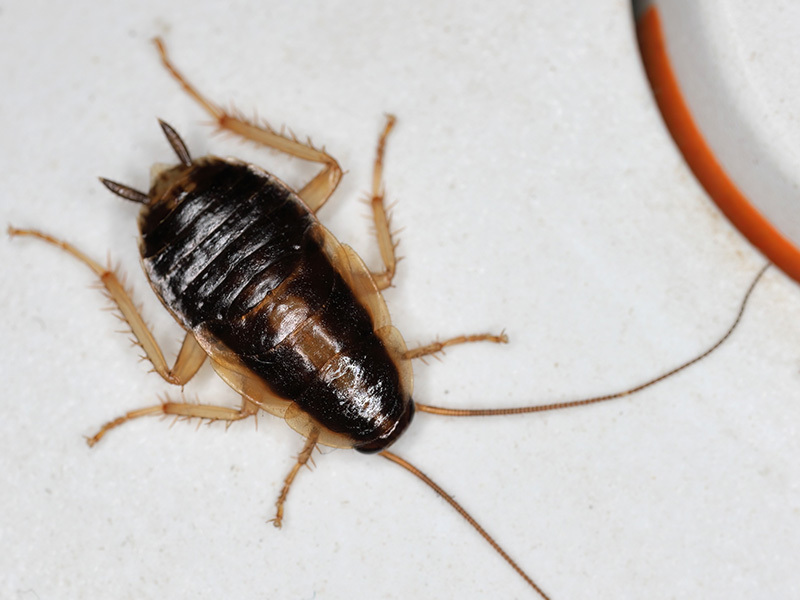
With a heat wave coming through Southern Arizona it is no wonder why so many pests are being seen. Plenty of homeowners and property owners have been coping with these creepy insects on a daily basis.

Angie’s List , which allows members to offer consumer reviews, records searches for pest control companies up 48 percent in March compared with the same month a year ago.

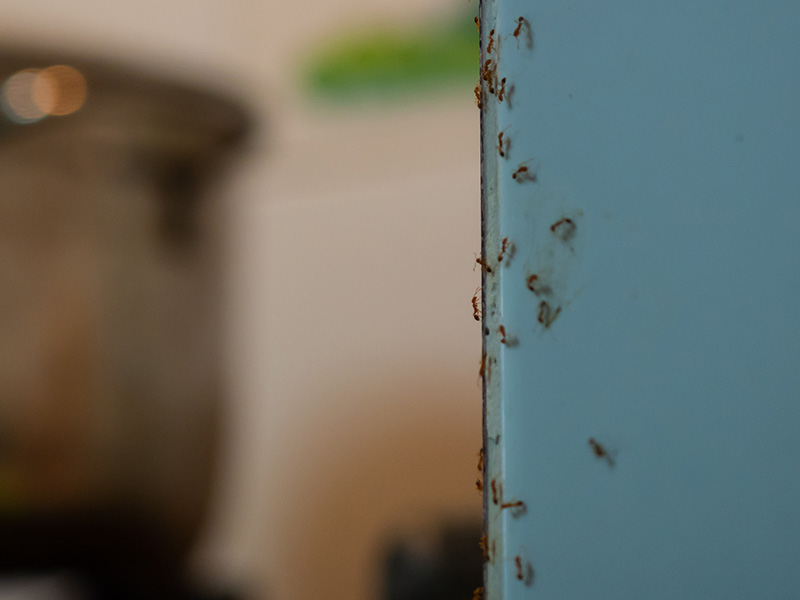
Phones are ringing off the hook – a full two months before the bugs usually arrive. These early unwanted guests include ants, bees and wasps, spiders and bed bugs.

Homeowners and property owners are better off calling professionals. People think they can save a lot going with do-it-yourself. They might be successful at first breaking up the colony but ultimately it can create more problems or simply the colony can repopulate elsewhere.  Professional services, like Northwest Exterminating work like bug detectives. We are trained to look for the right and best solution for your property.

April’s temperatures have been at record-highs reaching up into the upper 90s. The thing with pests this month, is that it probably won’t stop. It will still continue on for several months. The pest invasion has begun….so beware!

Bug Bonaza!

2012February24
by Prof. McFly

Q: It is getting very warm this year in most areas of the United States. I was wondering if because of this specific weather change what type of critters and insects would be coming out?

It is true, that one of the USA’s warmest winters in years could possibly lead to a bug bonanza.  over the next weeks with all kinds of insects like beetles, ants, termites and wasps all coming out much earlier than usual.

In some places, the onslaught has already begun. Many insects that are being seen are not the usual ones that come out this time of year; those that include stink bugs and boxelder bugs.

This widespread warmth is hitting several cities including New York, Chicago, Washington, etc. Winter is usually the time of months that insects hibernate but they may be emerging quite early from their hiding places. One key for the insects is that if they come out early, the flowers and plants they feed on must also bloom equally early. They have to be synchronized with what they’re feeding upon.

So contact northwest exterminatingfor all our pest control needs.

Insects might be a good thing

2012January30
tags: insects
by Prof. McFly

Sometimes insects can be a good thing! Scientists are using insects to help police forces around the world solve fatal crimes.  Check out the video at http://www.bbc.co.uk/news/uk-england-16577371 to learn more.

New Insect Lifeforms

2012January23
tags: insects
by Prof. McFly

Did you know that insects make up more than half the 19,232 lifeforms on the global inventory of new species. New additions of species will help deepen our understanding of the biosphere with millions of more expected to be added in the future. A reasonable guess is that 10 million additional plant and animal species await discovery by scientists and amateur species explorers. In 2011, the US-based International Institute for Species Exploration included 3,485 new beetles and over 1,487 new spiders and mites. That is unbelievable! There are more insects out there then we realized.

The Ugliest Bugs

2012January9
tags: insects, bugs
by Prof. McFly

Here is some photographic evidence of the ugliest bugs in the world!

Cruddy Beetle
cruddy dung beetle
The cruddy beetle spends most of its life feeding on animal feces. The small, bits of food found in droppings act as nutritious food for the dung beetles.


Violet Eyes
flea beetle
A considerably less cranky-looking beetle, the striped flea beetle (Phyllotreta) feeds on the foliage of young plants such as turnips and radishes.They can also act as carriers of plant disease.


Little Red Riding Hood
flower beetle
Another helpful beetle, the soft-winged flower beetle (Collops vittatus) feeds on whiteflies, which helps to naturally control the pest’s population in cotton fields. Soft-winged flower beetles also eat soft-bodied insects such as mites, aphids and caterpillars.