
Experts say that there is an alarming decline in the nationwide honey bee population. A lot of contributing factors are causing honey bees to die off including viruses, mites and pesticides. Pesticides have been listed as one of the primary factors in causing problems with honey bee health. Researching teams have spent time and money looking for the common pesticide responsible for the corruption of the honey bee population known as neonictinoids. Since honey bees do not have a lot of resistance to insecticides that pests do, you can kill tens of thousands at one time. An entire colony can theoretically be wiped out! It’s now estimated that nearly 30% of the honey bee population dies every year. This decline can lead to smaller yields on these bee dependent crops. That can mean bigger bucks at the check out which is the buzz we all need to “bee” aware of.
Like many flies, it doesn’t come natural to me to keep a clean house. My years at Northwest and in the pest control industry have trained me to stay on top of maintaining my home. So, here’s some pointers to help you lower your risk of pest problems…
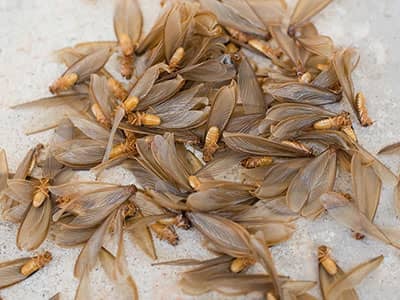
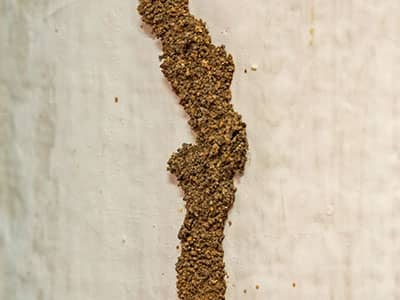
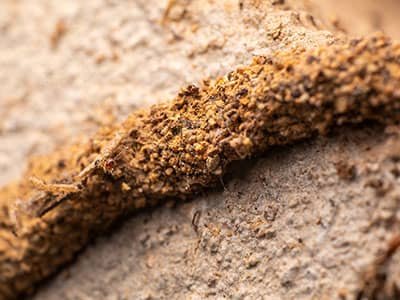
With the monsoon season here, stay vigilant for increased subterranean termite activity around your property. Evidence of termite activity would be seeing termite ‘mud tubes’ or ‘mud trails’ on the foundation of your home. You may also see evidence on the interior of your home. These mud tubes or mud trails keep the termites protected from enemies and contain moisture that is needed for their survival. Termites will become more active with the increased moisture and humidity that come with monsoons coupled with our Tucson temperatures. Some proactive actions that can be done around your property that may reduce your chances of getting termites are the following:
●Remove all wood debris and firewood away from your home, including decorative wood planters. Keep them elevated from the ground if possible.
●Ensure that water drainage is away from the home, including A/C condensation drains.
●Avoid any earth-to-wood contact around the property
●Keep stumps and shrubbery away from home and trimmed.
●Avoid all excessive moisture around home, repairing plumbing or water leaks quickly.
●Avoid storage and landscaping that obstructs the view of your walls and foundation.
●Keep your home sealed around all openings since termites can get into a crack 1/64” wide.
By eliminating the food sources, moisture, and entry points around your home you are reducing your chances of getting termites.
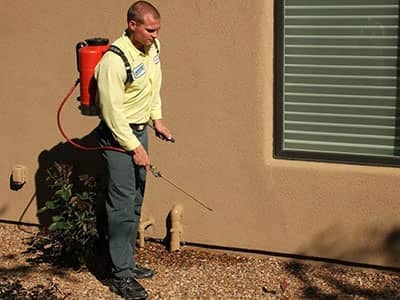
Here is a picture that one of our residential pest control technicians took while doing a general pest treatment. Many Southern Arizonans look around the base of their homes for termite tubes,but don’t forget to look up. Contact Northwest Exterminating with any questions regarding termite treatment options available to protect your property.
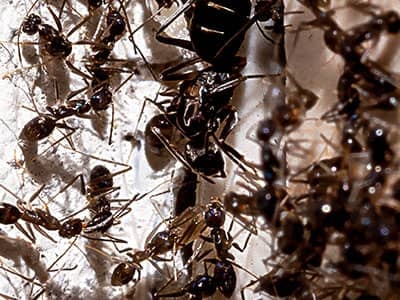
A true tale of a David and Goliath fight between an ant and a mantis. Check it out below.
http://www.thesun.co.uk/sol/homepage/news/4096314/Buggy-hell-tiny-ant-beats-mantis.html
A study claimed that feeding termites wood with the antibiotic rifampin would serve to interrupt certain processess in the digestive systems of the insects that were considered essential for their survival.
Q: What are the health risks associated with cockroaches?
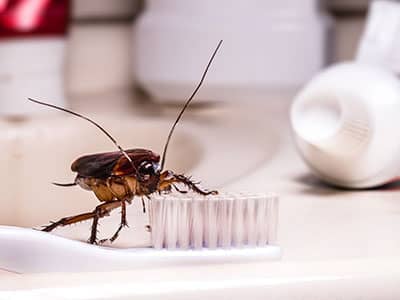
Many health risks associated with german cockroaches include nausea, abdominal cramps, vomiting, diarrhea, etc, caused by fecal material being placed on food, dishes, glasses, etc. Allergic responses such as skin rashes, watery eyes, sneezing, can even set off asthma attacks in people that have asthma caused by their dead body particles becoming airborne and then being breathed in. So contact a pest control professional such as Northwest Exterminating as soon as you can to rid of this problem.