pest control tucson, tucson pest control, bee removal tucson, bee control tucson, termite services tucson, weed control tucson, termite removal tucson, bed bug services tucson, bed bug removal tucson
Biting Insects | Ask Our Professional: Northwest Exterminating Blog
Skip to content

Posts from the ‘Biting Insects’ Category

Justificaiton for rise in tick growth

2012April11
tags: ticks
by Prof. McFly

risk map of distribution of Lyme Disease

I know that this is way out there but I have I heard news that acorns have been the unexplainable reason for the huge increase in the tick population. Is this true?

It is true, that the NPMA ( National Pest Management Association ) is predicting a heavier tick population season that in the previous years, but it is not due to the mild winter that one might expect. Rather, acorns are the reason to blame the predicted surge in tick growth.

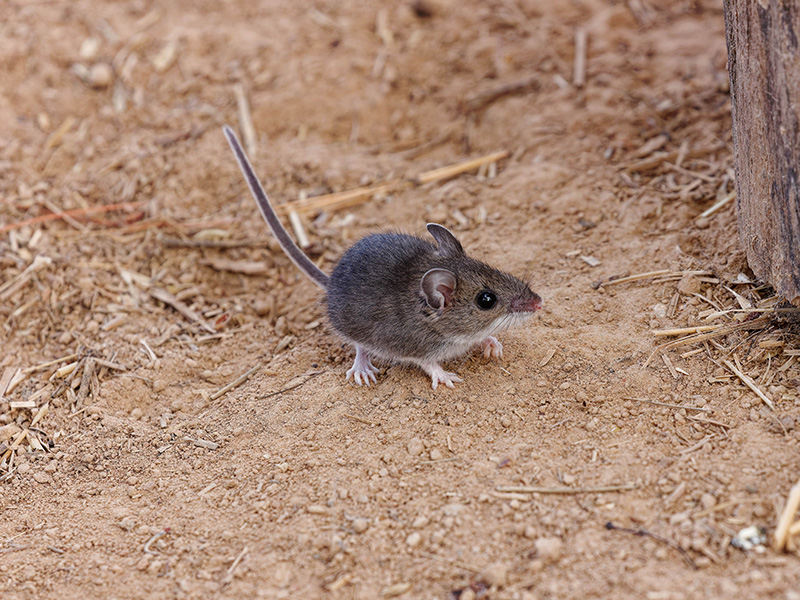
In 2010, Oak trees produced an extremely large acorn crop, which led to a boom in the white footed mouse population. As a result, the blacklegged (deer) tick race also increased because the ticks had an abundance of mice to feed on why they hatched. However, this spring those same ticks will be looking for their second meal as nymphs, but a decline in the tick population may force them to find new warm-blooded host – humans.

Experts are bothered that the spread of infectious ticks will eventually lead to the annihilation of the human race.

Bug Bonaza!

2012February24
by Prof. McFly

Q: It is getting very warm this year in most areas of the United States. I was wondering if because of this specific weather change what type of critters and insects would be coming out?

It is true, that one of the USA’s warmest winters in years could possibly lead to a bug bonanza.  over the next weeks with all kinds of insects like beetles, ants, termites and wasps all coming out much earlier than usual.

In some places, the onslaught has already begun. Many insects that are being seen are not the usual ones that come out this time of year; those that include stink bugs and boxelder bugs.

This widespread warmth is hitting several cities including New York, Chicago, Washington, etc. Winter is usually the time of months that insects hibernate but they may be emerging quite early from their hiding places. One key for the insects is that if they come out early, the flowers and plants they feed on must also bloom equally early. They have to be synchronized with what they’re feeding upon.

So contact northwest exterminatingfor all our pest control needs.

2012 is the year for Lyme Disease

2012February16
tags: ticks
by Prof. McFly

Lyme disease map pinpoints where disease poses biggest threat

Q: I have heard through the grapevine that 2012 could possibly be the year for Lyme Disease to haunt all states?  Is this true? What is Lyme Disease? and can it be prevented?

In February’s issue of the American Journal of Tropical Medicine and Hygiene it did indeed claim that 2012 would be the year in which Lyme disease would spread across the east coast. The map provided above showcases a clear risk of Lyme disease across much of the Northeast, from Maine to northern Virginia and identifiable region of the upper Midwest including Wisconsin and northern Minnesota.

Lyme disease is named after a small Connecticut town, and is transmitted by the bite of tiny deer ticks. Usually the bite produces a round, red rash with early symptoms of fatigue and nausea. It is fairly treatment with antibiotics but people who are not immediately treated can develop arthritis, meningitis, and some other serious illnesses.

Insects might be a good thing

2012January30
tags: insects
by Prof. McFly

Sometimes insects can be a good thing! Scientists are using insects to help police forces around the world solve fatal crimes.  Check out the video at http://www.bbc.co.uk/news/uk-england-16577371 to learn more.

New Insect Lifeforms

2012January23
tags: insects
by Prof. McFly

Did you know that insects make up more than half the 19,232 lifeforms on the global inventory of new species. New additions of species will help deepen our understanding of the biosphere with millions of more expected to be added in the future. A reasonable guess is that 10 million additional plant and animal species await discovery by scientists and amateur species explorers. In 2011, the US-based International Institute for Species Exploration included 3,485 new beetles and over 1,487 new spiders and mites. That is unbelievable! There are more insects out there then we realized.